Fractal: Creative Design Inspiration
Fractal patterns offer a unique blend of complexity and beauty, making them a powerful tool for creative professionals. These self-similar structures, found in nature and mathematics, provide endless possibilities for design innovation. Whether you're a graphic designer, marketer, or digital artist, understanding fractals can enhance your creative process and expand your visual vocabulary.
Fractals are more than just visually striking—they also represent a way to approach design with depth and structure. Their recursive nature allows for intricate details that remain consistent across different scales. This characteristic makes them ideal for creating backgrounds, textures, and abstract compositions that feel both dynamic and cohesive.
What Makes Fractals Interesting?
Fractals are fascinating because they challenge traditional notions of symmetry and order. Unlike regular geometric shapes, fractals exhibit infinite detail at every level of magnification. This quality can be harnessed to create designs that feel alive and evolving, rather than static or rigid.
One of the most appealing aspects of fractals is their adaptability. They can be used in a variety of styles, from minimalist to highly detailed. For example, a simple fractal pattern might serve as a subtle background for a website, while a more complex version could become the focal point of an art piece or branding identity.
Fractals also have a strong connection to natural forms. From the branching of trees to the patterns of coastlines, these structures appear throughout the natural world. By incorporating fractal elements into design, creators can evoke a sense of organic harmony and balance.
Creative Applications of Fractal Patterns
Fractal designs are versatile and can be applied across multiple platforms and mediums. Here are some practical ways to use them:
- Backgrounds: Fractal patterns make excellent digital backgrounds for websites, apps, and presentations. Their complexity adds visual interest without overwhelming the user.
- Textures: Use fractal-generated textures to add depth and dimension to illustrations, UI elements, or print materials.
- Artwork: Fractals can inspire original artwork, especially when combined with other design principles like color theory or composition.
- Branding: Incorporate fractal elements into logos, packaging, or marketing materials to create a distinctive and memorable visual identity.
- Animations: Fractal-based animations can bring a sense of movement and fluidity to digital experiences, such as interactive websites or video content.
By experimenting with different colors, scales, and variations, designers can tailor fractal patterns to suit specific projects and audiences.
How to Adapt Fractals for Different Goals
The key to using fractals effectively is understanding how to adapt them for your specific needs. Here are some considerations:
- Target Audience: A younger, tech-savvy audience may respond well to bold, high-contrast fractal designs, while a professional or academic audience might prefer more subdued and refined versions.
- Platform: Mobile interfaces benefit from simpler fractal patterns that don't slow down performance, while larger formats like posters or billboards can accommodate more intricate designs.
- Format: Whether you're working on a digital or print project, ensure that the fractal design maintains clarity and resolution at all sizes.
- Context: Consider the environment where the design will be used. A fractal background for a website should complement the overall layout, while a wallpaper should stand out as a unique element.
By aligning fractal elements with the goals and constraints of each project, creators can maximize their impact and relevance.
Practical Tips for Using Fractal Designs
Here are some actionable recommendations for integrating fractals into your work:
- Start Simple: Begin with basic fractal templates or generators to get a sense of how they work before experimenting with more complex variations.
- Experiment with Color: Use color to highlight or contrast fractal elements, depending on the desired effect. Warm tones can add energy, while cool tones create a sense of calm.
- Combine with Other Elements: Pair fractals with typography, icons, or other design components to create balanced and engaging visuals.
- Test for Clarity: Ensure that fractal patterns do not interfere with readability or usability, especially in functional designs like websites or apps.
- Stay Original: While fractals can be inspiring, avoid copying existing works. Instead, develop your own interpretations and variations to maintain uniqueness.
These strategies help maintain a balance between creativity and practicality, ensuring that fractal designs serve their intended purpose effectively.
Fractal Backgrounds: Ready to Use
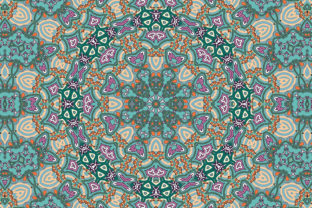
If you're looking for a quick and effective way to incorporate fractals into your projects, consider using ready-made fractal background designs. These files are often optimized for different formats and resolutions, making them easy to implement across various platforms.
Whether you're designing a website, creating social media content, or developing a mobile app, a high-quality fractal background can elevate the visual appeal of your work. Many designers and developers share these assets freely, allowing others to build upon their creativity without starting from scratch.
When selecting a fractal background, look for files that are clean, well-organized, and adaptable. Avoid overly complex patterns that may distract from the main content or message. Instead, choose designs that enhance the overall aesthetic while maintaining clarity and focus.
By leveraging pre-designed fractal backgrounds, creators can save time and effort while still achieving professional results. This approach also encourages experimentation, as it allows for quick testing and iteration of different visual concepts.