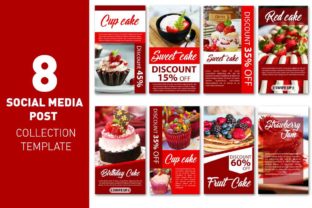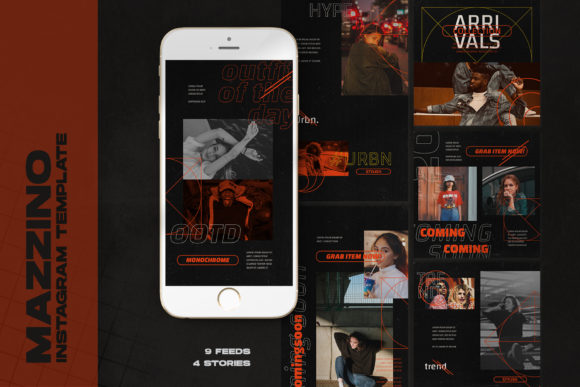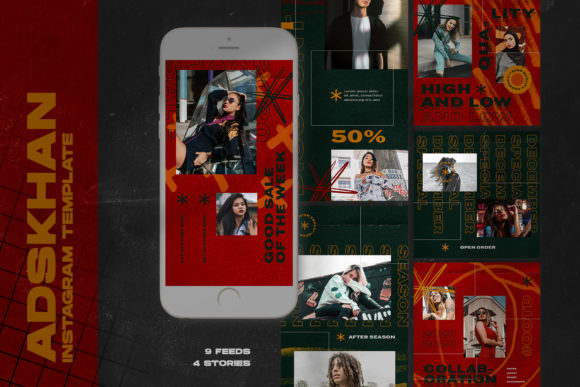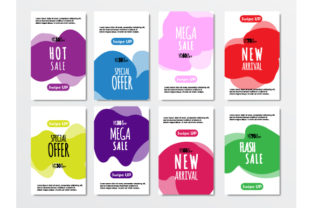
Promotion Web Banner for Social Media
Web banners are a vital tool in the digital marketing landscape, especially for social media. These visual elements serve as eye-catching advertisements that can be placed on websites, apps, and social platforms to promote products, services, or events. A well-designed banner can make a significant impact, driving traffic and increasing engagement. For those looking to enhance their online presence, understanding how to effectively use promotion web banners is essential.
What Is a Promotion Web Banner for Social Media?
A promotion web banner for social media is a digital graphic designed to capture attention and convey a message quickly. These banners come in various sizes and formats, making them adaptable to different platforms like Facebook, Instagram, Twitter, and LinkedIn. They often include text, images, and sometimes animation to engage users and encourage action, such as clicking through to a website or signing up for a newsletter.
When creating a promotion web banner, it's important to consider the platform's specifications. Each social media site has its own recommended dimensions and file types. For instance, a banner for Instagram might require a square format, while a Facebook ad could benefit from a landscape layout. Understanding these nuances helps ensure that your banner looks professional and functions effectively across different devices and screen sizes.
Why Different Audiences Care About Promotion Web Banners
Various groups of people may find promotion web banners useful for different reasons. For beginners, these banners can be an accessible way to start advertising without needing advanced design skills. For professionals, they offer a quick and effective method to promote new products or campaigns. Creators and educators might use them to share content or highlight educational resources, while business owners can leverage them to increase brand visibility and drive sales.
Consumers, too, may encounter promotion web banners in their daily online activities. These banners can inform them about discounts, new releases, or special offers. Hobbyists might use them to promote events or projects within their communities. The versatility of promotion web banners makes them relevant to a wide range of users, each with unique goals and needs.
How Different Users Might Approach Promotion Web Banners
Beginners might focus on ease of use when selecting or creating a promotion web banner. They may look for templates or tools that simplify the design process, allowing them to produce effective banners without extensive technical knowledge. On the other hand, experienced users might prioritize customization and creativity, seeking ways to stand out in a crowded digital space.
For creators, the visual appeal of a banner is often a top priority. They may invest time in designing unique graphics that reflect their brand or message. Professionals, such as marketers or entrepreneurs, might emphasize the effectiveness of the banner in driving conversions. They may test different versions to see which performs best and adjust their strategy accordingly.
Educators could use promotion web banners to share information or promote online courses. In this context, clarity and relevance are key. Business owners, meanwhile, might focus on cost-effectiveness and return on investment, ensuring that their banners deliver measurable results. Consumers might appreciate banners that are informative and easy to understand, helping them make informed decisions.
Key Priorities for Different User Groups
When evaluating a promotion web banner, users may have different priorities. Ease of use is important for those who want to create banners quickly without a steep learning curve. Cost can be a major factor for small businesses or individuals working with limited budgets. Quality and flexibility are often top concerns for professionals who need high-resolution images and the ability to adapt designs for multiple platforms.
Speed and reliability matter for users who need to launch campaigns rapidly. Creativity is crucial for artists, designers, and content creators who want their work to stand out. Learning value might be a consideration for students or hobbyists looking to improve their design skills. Commercial value is essential for business owners aiming to maximize their marketing efforts. Long-term usefulness could be a priority for those planning ongoing campaigns or brand development.
Practical Examples for Various Users
A small business owner launching a new product might use a promotion web banner to highlight a limited-time discount. They could choose a simple design with clear text and a call-to-action button, ensuring that the message is easy to understand. A blogger promoting a new article might create a banner that includes the title and a short excerpt, encouraging readers to click through and learn more.
An educator sharing a free online course could design a banner that features the course title, a brief description, and a link to register. A designer might experiment with different layouts and color schemes to create a visually striking banner that aligns with their brand identity. A marketer running a social media campaign might test multiple versions of a banner to determine which one generates the most engagement.
Choosing the Right Promotion Web Banner for Your Needs
Determining whether a promotion web banner is right for your goals depends on your specific needs and objectives. If you're looking to increase visibility, drive traffic, or promote a specific message, a well-crafted banner can be a valuable asset. However, if your project requires more complex visuals or interactive elements, you may need to explore other options.
Consider your skill level, budget, and the platforms you're targeting. If you're new to design, starting with pre-made templates can save time and effort. If you have more experience, customizing a banner to fit your brand may be more rewarding. Always evaluate the performance of your banners and be willing to make adjustments based on feedback and results.